
“The City of Genova Joins the European EMOVA Project for Smarter Urban Mobility
The City of Genoa has joined the European EMOVA project (Open Vehicle Emissions and Noise Data for Sustainable Urban Mobility), an initiative funded under the Digital Europe Programme aimed at improving urban mobility management through the use of big data and predictive analytics.
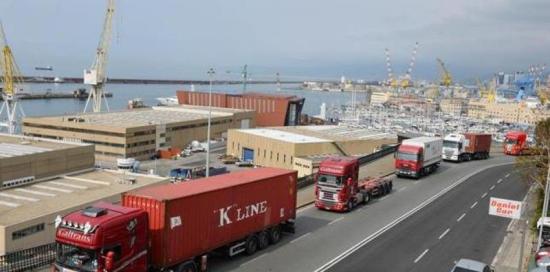
The project's objective is to anticipate urban traffic congestion, optimize traffic signal operations, reduce the impact of heavy vehicle traffic, and contribute to improved air quality and the urban environment, with particular focus on the strategic corridor connecting the Port of Genova and the city.
The pilot project, titled ‘Port-City Heavy Traffic Intelligence’, will be implemented between August and October 2026. It will enable real-time monitoring of heavy goods vehicle flows by integrating data from the city's existing roadside sensors with GPS data provided by participating technology partners. The combined analysis of these datasets will make it possible to examine vehicle routes, stopping patterns, and peak access times at the port gates.
By leveraging predictive analytics, the project will help anticipate congestion before it occurs, optimize traffic signal timing, and improve overall traffic management. This is expected to facilitate smoother traffic flow while reducing vehicle emissions and noise pollution.
The project has a total value of €20,000, with 50% co-funded by the European Union. The remaining share will be covered through the contribution of the Municipality's in-house technical staff, with no additional financial burden on the City of Genova.
At the conclusion of the pilot phase, all collected data will be published on the City of Genova Open Data platform, making this valuable information openly accessible to citizens, businesses, researchers, and other stakeholders.
Through its participation in EMOVA, the City of Genova continues its commitment to developing a smarter, more sustainable, and data-driven mobility system, further strengthening the use of digital technologies to deliver more efficient traffic management and enhanced urban services.”
Edited by Rebeca Burgos
 Italiano