
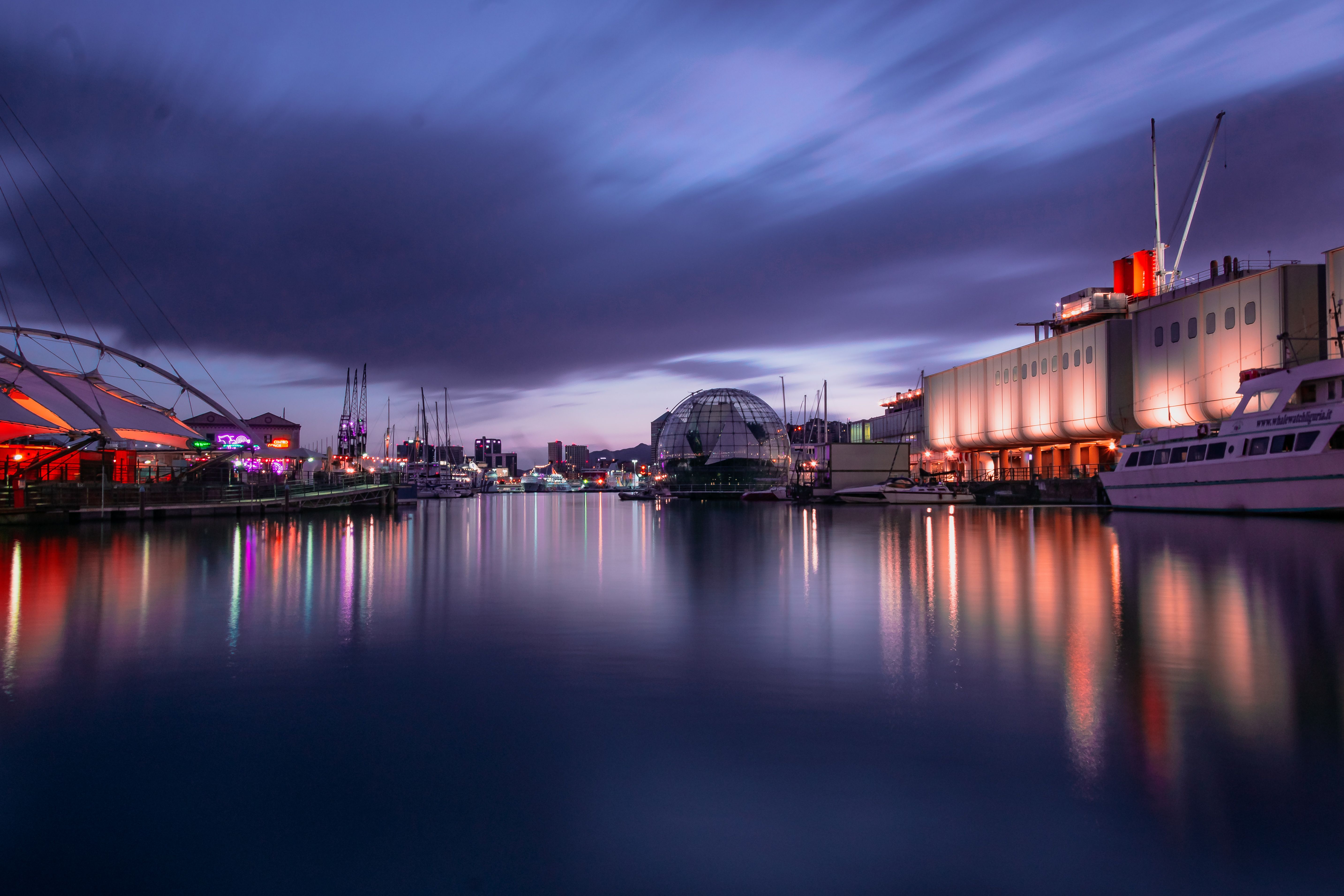
New Darsena: A Project for a More Accessible, Sustainable, and Connected Waterfront
A new vision for Genova waterfront, designed to enhance public spaces, promote sustainable mobility, and strengthen the connection between the historic city centre, the Darsena district and the Porto Antico. With the approval of the Three-Year Public Works Programme, the City of Genova is launching a €6 million strategic project that brings together the redevelopment of the Buozzi–Darsena–Porto Antico corridor into a single coordinated intervention, with the aim of making this area increasingly liveable, safe and accessible.
The project has been conceived to comprehensively rethink one of the city's main gateways, an area that today accommodates a wide range of residential, university, cultural, commercial and tourism-related activities, requiring more functional public spaces and a more efficient mobility system. Bringing all the planned works together into a single project will ensure coordinated planning, minimise the impact of construction activities and deliver a higher-quality overall result.
Among the key elements of the project is the construction of the "Sea Cycle Route" (Pista del Mare), a new protected cycling infrastructure that will complete the active mobility network along the waterfront. The new cycle route will encourage walking and cycling while helping to reduce road traffic and vehicle emissions. At the same time, the coastal road network will be reorganised through a redistribution of road space to improve both traffic safety and circulation.
The project also includes the redevelopment of the Nuova Darsena and Calata Simone Vignoso, which are set to become a new gateway to Genova Historic Centre and the Porto Antico. Public spaces will be redesigned with new paving, green areas, pedestrian and cycling paths, recreational and social spaces, upgraded public lighting, and the installation of CCTV systems to enhance safety and improve the monitoring of urban mobility flows.
Particular attention will be given to public participation. Following the preparation of the Project Brief (Documento di Indirizzo alla Progettazione – DIP), the proposal will be subject to a public consultation process aimed at gathering feedback and suggestions before the final design is approved.
With this investment, the City of Genova continues its transformation of the city's waterfront by investing in modern infrastructure, sustainable mobility and high-quality public spaces. The project looks towards the future of Genova, reinforcing the waterfront's role as a place of connection, social interaction and urban development.
Edited by Rebeca Burgos
 Italiano