
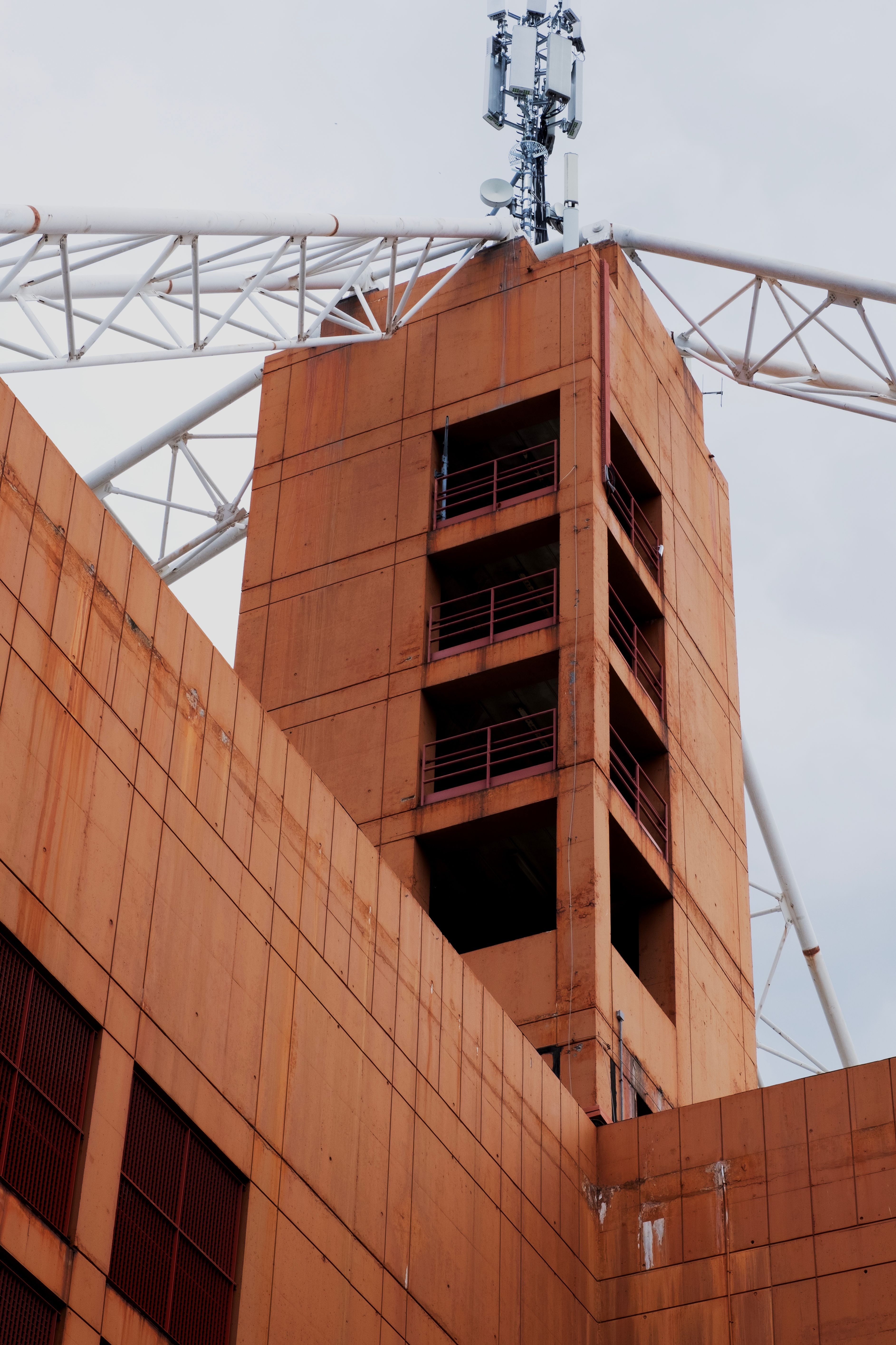
Makeover of the Luigi Ferraris Stadium: the Conference of Services on the project feasibility study has been completed
The city council has taken note of the positive outcome of the Conference of Services, which reached a decision on the Luigi Ferraris Stadium refurbishment project, confirming the public interest in the proposal to redevelop the sports facility and Villa Musso-Piantelli, submitted by Genova Stadium S.r.l., the company in which Genoa Cricket and Football Club S.p.A. and Unione Calcio Sampdoria S.p.A. hold stakes.
In September, the city council will be called upon to deliberate on the transfer of a portion of state-owned land affected by the project to municipal ownership, on the financial and asset-related aspects of the operation, and on the granting of the right to build. Subsequently, the proposal will form the basis of a public tender procedure to identify the most advantageous bid, with the aim of awarding the contract by March 2027 and completing the works by March 2031.
The approved documentation will be forwarded to the Italian Football Federation (FIGC) to formalise Genova’s bid as one of the Italian cities set to host the UEFA EURO 2032 European Football Championships; furthermore, by 15 September, Genoa Stadium S.r.l. must submit to the city council the documentation certifying the availability of the financial resources required to carry out the project.
The project involves a private investment of around 100 million euros for the structural, seismic and functional upgrading of the stadium, with the aim of meeting UEFA Category 4 standards – a key requirement for supporting the bid for EURO 2032 – as well as improving the facility's accessibility and the energy efficiency of the stadium. The investment will be borne entirely by the football clubs, whilst the city council will grant the right to use the land on which the stadium and Villa Musso-Piantelli stand, as well as the surrounding areas, for 99 years, with no rent payable for the first 50 years and an annual rent of one million euros for the following period.
The project also includes the refurbishment of Villa Musso-Piantelli and its outdoor areas, which are to be used for cultural, educational and recreational activities, with the aim of increasing the complex’s use throughout the year. The refurbishment is intended to strengthen the stadium’s role as an urban facility fully integrated into the local community and to contribute to the regeneration of the Marassi neighbourhood.
Edited by Davide Barbero
 Italiano