
“Begato: Urban Regeneration as a Model for the Future”
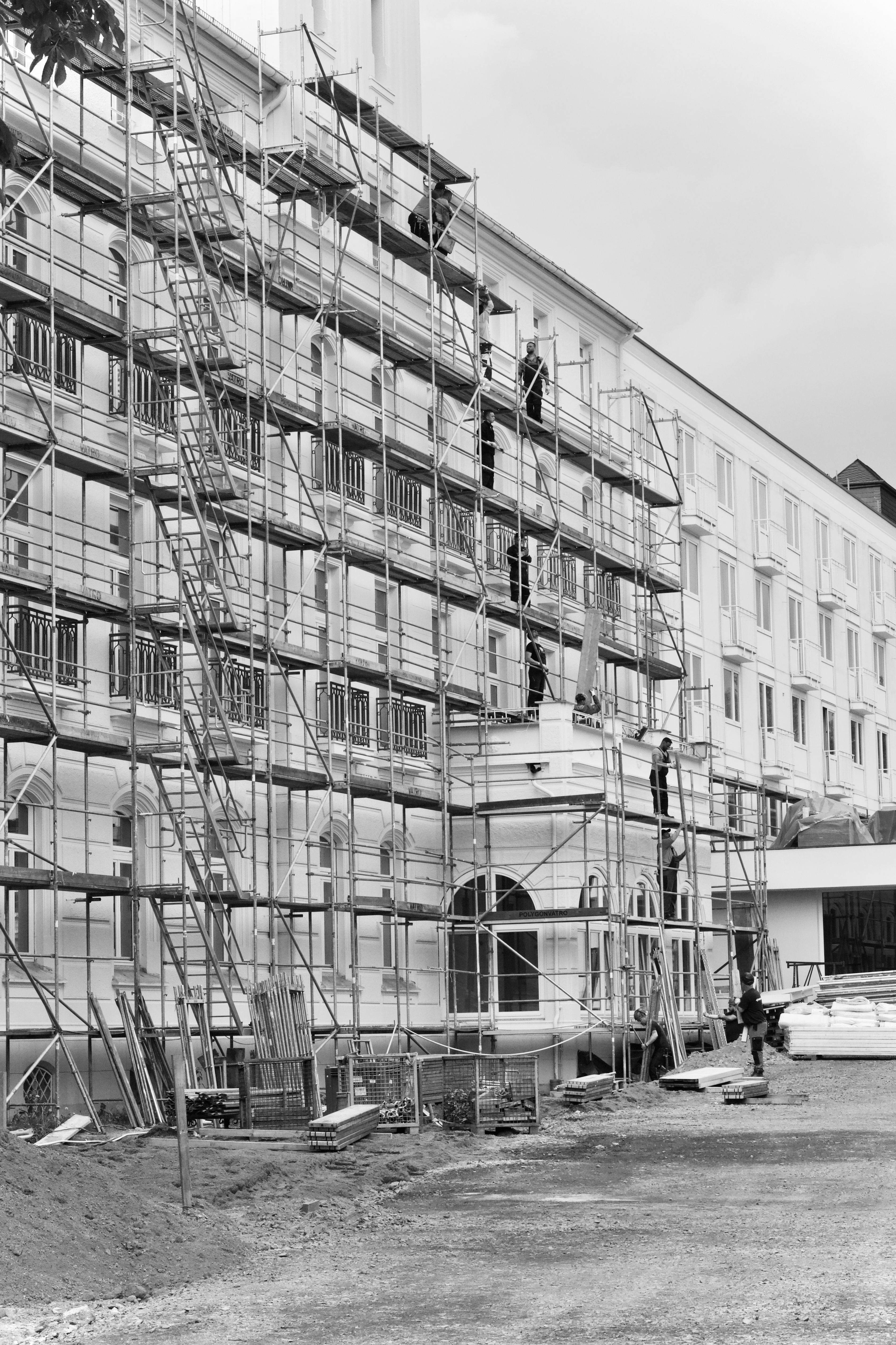
The transformation of Begato represents an important example of urban regeneration based on the redevelopment of the existing built environment, with the aim of improving housing conditions and the quality of life of residents. The most significant intervention involved the so-called “Dighe” (“Dams”), large social housing complexes which, over time, had contributed to social isolation and hardship.
Around 500 families were relocated to different neighbourhoods across the city, while the old structures were replaced by smaller-scale buildings that are better integrated into the urban fabric. Residents assigned public housing were also given the opportunity to purchase their homes and become homeowners.
The project is based on a sustainable approach to housing, enhancing the existing built environment and demonstrating how regeneration can improve already developed areas without further land consumption. Housing is complemented by essential services such as schools, shops, parks, sports facilities and community spaces.
This model could also provide an opportunity for villages in Liguria’s inland areas, where tackling depopulation requires investment in transport, services, economic activities and digital infrastructure. In this context, remote working is already helping to attract new residents: in the inland areas of the Province of Imperia, some families from Germany, the Netherlands and Denmark have chosen to relocate in order to combine their professional activities with a better quality of life.
The experience of Begato shows how the regeneration of existing urban spaces, combined with services and opportunities, can help create more liveable and inclusive neighbourhoods. It represents an urban regeneration model that could be replicated nationwide, placing Genoa among the most forward-looking cities in promoting a new quality of living, based on social inclusion, access to services and sustainability.
Edited by Rebeca Burgos
 Italiano